
Communicable Diseases
Strengthening prevention, surveillance insights, and treatment systems to combat infectious diseases and protect communities from major public health threats.
Why This Matters
Infectious diseases like malaria, TB, and HIV remain a major public health burden. Strong prevention and surveillance insights that address treatment systems that empower people and protect communities.
Public Health Burden
Infectious diseases like malaria, TB, and HIV continue to impact millions of lives globally
Strong Surveillance
Empowering young people to shape their own futures
Prevention & Treatment
Robust prevention strategies and accessible treatment save lives and reduce transmission
Community Protection
Strong health systems protect entire communities from infectious disease threats
What We Study
Our research spans prevention, diagnostics, health systems, and surveillance to combat infectious diseases effectively.
Prevention Strategies
Vector control, vaccines, and behaviour change interventions to reduce disease transmission
Diagnostics & Care Pathways
Access to diagnostics and optimized care pathways for effective treatment delivery
Health Systems Readiness
Supply chains, infrastructure, and system capacity to respond to infectious diseases
Outbreak Detection
Community surveillance and early detection systems for rapid outbreak response
Our Research Focus
- Prevention strategies (vector control, vaccines, behaviour change)
- Diagnostics access and care pathways
- Health systems readiness and supply chains
- Outbreak detection and community surveillance
How We Work
Our multidisciplinary approach combines rigorous research methods with practical implementation to strengthen infectious disease control.
Implementation Research
We conduct implementation research in primary care settings to understand real-world effectiveness of disease prevention and treatment interventions. Our studies examine how programs work in practice, identifying barriers and facilitators to successful implementation.


Clinical Pathway Mapping
Through detailed clinical pathway mapping and bottleneck analysis, we identify gaps and inefficiencies in care delivery. This systematic approach helps optimize patient journeys from diagnosis through treatment, ensuring timely and effective care for infectious diseases.
Cost-Effectiveness Studies
Our cost-effectiveness studies evaluate the economic impact of interventions, helping policymakers allocate resources efficiently. We analyze both health outcomes and financial implications to identify the most sustainable and impactful disease control strategies.

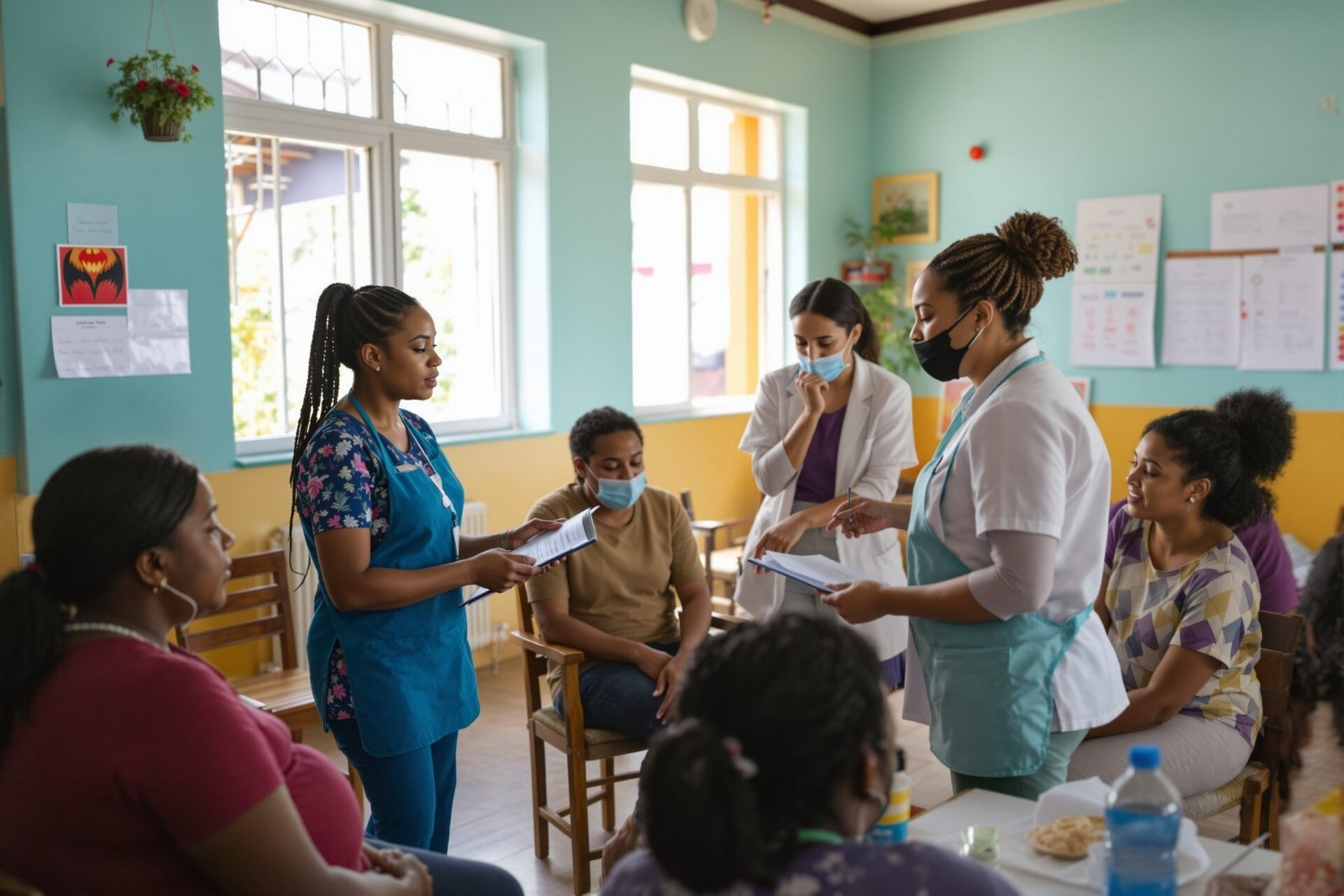
Community Engagement Research
We work directly with communities to understand adherence challenges and develop culturally appropriate solutions. Our participatory research approach ensures interventions are acceptable, feasible, and effective in diverse community contexts.
Our Methodological Approach
Demographic Modeling
Scenario planning and forecasting
Geospatial Analysis
Remote sensing and spatial epidemiology
Policy Evaluations
Climate adaptation assessments
Impact We Aim For
Reduced transmission, improved case detection and treatment, and stronger health systems, especially for underserved populations.
Reduced Transmission
Evidence-based interventions that decrease disease spread in communities
Improved Detection
Enhanced case detection and treatment access for better health outcomes
Stronger Systems
Resilient health systems serving underserved populations effectively
Our work strengthens infectious disease prevention and care systems, protecting communities and saving lives through evidence-based interventions and sustainable health system improvements.
Collaborate With Us
Collaborate with us to strengthen infectious disease prevention and care where it matters most.
Collaborative Research
Partner with our multidisciplinary team
Evidence-Based Solutions
Develop interventions grounded in rigorous research
Global Impact
Create change that reaches underserved communities