
Neglected Tropical Diseases
Advancing elimination strategies for the most underserved communities
Why This Matters
NTDs affect the most underserved communities, causing disability, stigma, and economic loss. Elimination requires sustained, community-centred strategies.
Underserved Communities
NTDs disproportionately affect the most marginalized populations with limited access to healthcare.
Disability & Stigma
These diseases cause long-term disabilities and social stigma that impact quality of life.
Economic Loss
NTDs create significant economic burden through lost productivity and healthcare costs.
Community-Centred Solutions
Elimination requires sustained, locally-led strategies that engage entire communities.
What We Study
Our research focuses on understanding disease dynamics and their comprehensive impact on communities
Transmission Dynamics
Understanding disease spread patterns and integration opportunities with primary care systems.
Social & Economic Impacts
Measuring the broader effects of NTDs on communities, livelihoods, and development.
Our Research Focus
We examine transmission dynamics and their integration with primary care, alongside comprehensive analysis of the social and economic impacts of NTDs. Our work provides evidence for sustainable, community-led elimination strategies that address both the medical and socioeconomic dimensions of these diseases.
How We Work
Our methodologies combine operational research, spatial analysis, and behavioural science
Operational Research on Community Delivery Models
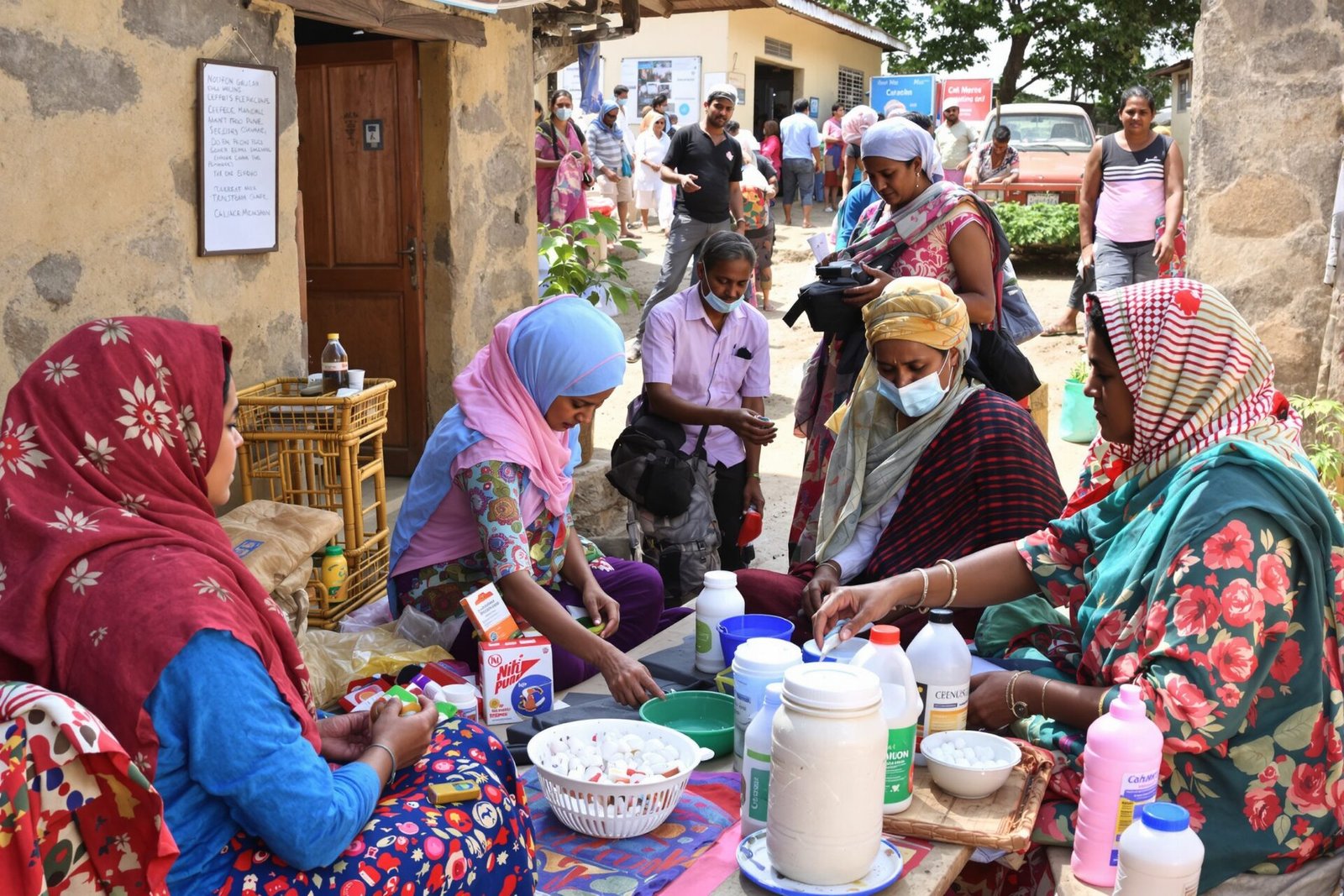
We conduct field-based research to test and refine community-led delivery approaches. Our studies examine what works in real-world settings, identifying effective strategies for reaching the most remote and underserved populations with NTD interventions.

Geospatial Mapping of Hotspots and Service Gaps
Using advanced mapping technologies, we identify disease hotspots and areas with limited service coverage. This spatial analysis helps target interventions where they are needed most and ensures equitable distribution of resources across affected regions.
Behavioural Insights to Improve Adherence and Follow-up
We apply behavioural science to understand and address barriers to treatment adherence and follow-up care. Our research explores community perceptions, cultural factors, and practical obstacles, designing interventions that improve completion rates and long-term engagement.

Impact We Aim For
Higher coverage and adherence, fewer disabilities, and resilient, locally led elimination programs.
Higher Coverage & Adherence
Improved treatment reach and completion rates in target communities
Fewer Disabilities
Reduced disease burden and prevention of long-term complications
Locally Led Programs
Resilient, community-owned elimination strategies that sustain over time
Our work drives sustainable change by strengthening community capacity, improving service delivery, and generating evidence that informs elimination strategies tailored to local contexts.
Join us to generate evidence that informs the co-creation of sustainable elimination strategies that lift communities
Partner with us to develop and implement community-centred approaches that achieve lasting NTD elimination
Evidence Generation
Rigorous research that informs effective elimination strategies
Co-Creation
Collaborative design with communities and local stakeholders
Sustainable Impact
Long-term solutions that lift and empower communities