
Non-Communicable Diseases (NCDs)
Building integrated, people-centered care models for chronic conditions that are rising rapidly across communities.
Why This Matters
Hypertension, diabetes, cancers, and chronic respiratory conditions are rising rapidly, often coexisting with communicable diseases and straining health budgets.
Rising Burden
Hypertension, diabetes, cancers, and chronic respiratory conditions are increasing rapidly
Strong Coexisting Diseases
NCDs often coexist with communicable diseases, creating complex care needs
Health Budget Strain
Chronic conditions place significant pressure on healthcare systems and budgets
Community Impact
Affecting individuals, families, and entire communities across all age groups
What We Study
Our research spans prevention, detection, treatment, and community-based approaches to non-communicable diseases.
Risk Factors
Diet, physical inactivity, tobacco use, alcohol consumption, and environmental exposures
Early Detection
Screening programs, diagnostic pathways, and effective referral systems
Integrated Care
Chronic care models and task-shifting approaches for sustainable delivery
Community Prevention
Community-based prevention strategies and self-management support systems
Our Research Focus
We examine risk factors including diet, inactivity, tobacco, alcohol, and environmental exposures. Our work covers early detection, screening, and referral pathways, integrated chronic care and task-shifting models, and community-based prevention with self-management support.
How We Work
Our methodologies combine rigorous research with practical implementation to strengthen NCD prevention and care.
Cohort Studies & Risk Factor Surveillance
We conduct longitudinal cohort studies to track disease progression and identify key risk factors. Our surveillance systems monitor population-level trends in NCD risk factors, enabling early intervention and targeted prevention strategies.
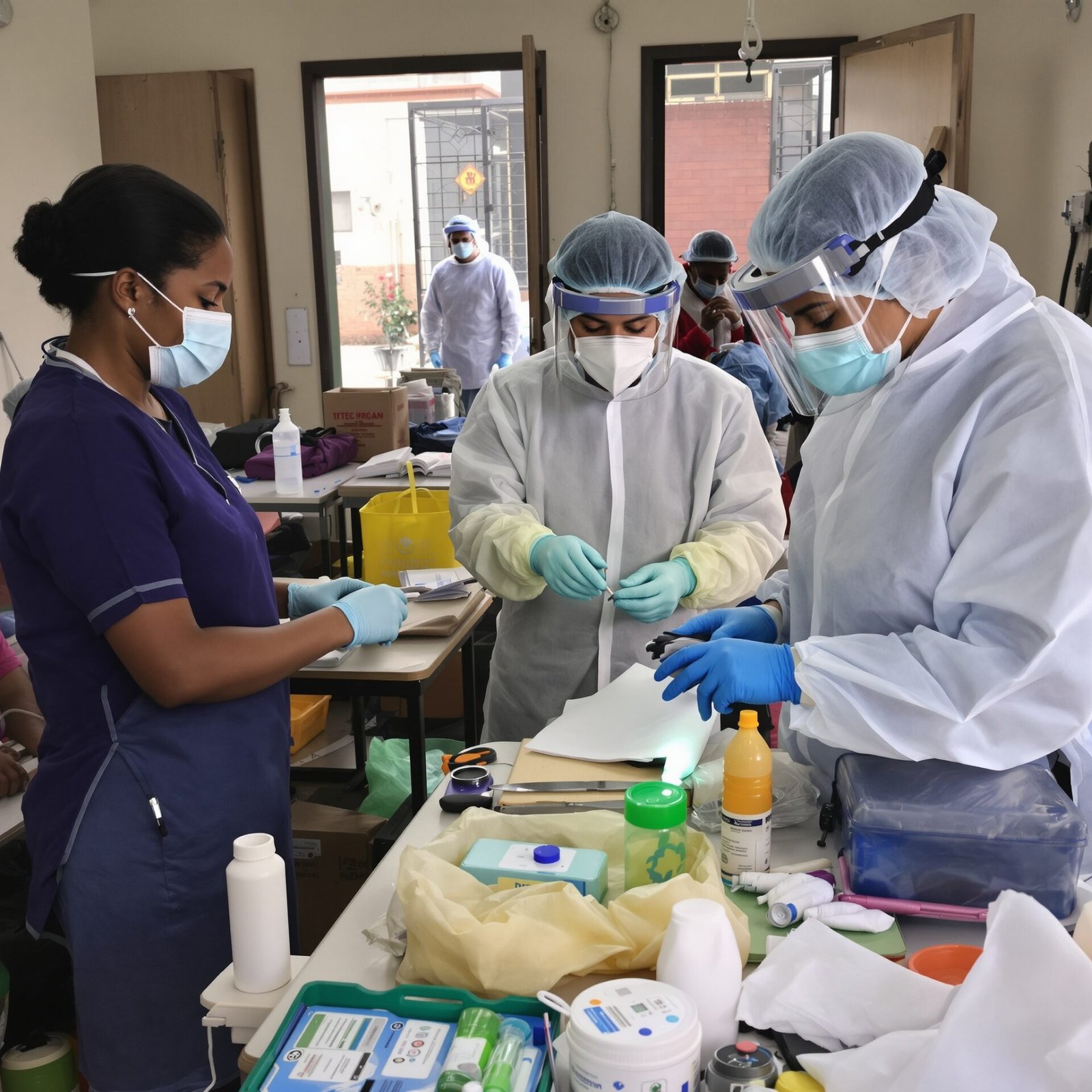

Primary Care Integration
We design and test integrated care models that combine NCD management with mental health services and infectious disease care. Our pilots demonstrate how task-shifting and multidisciplinary approaches can strengthen primary care delivery.
Health Economics & Budget Impact Analysis
We evaluate the cost-effectiveness of NCD interventions and assess their impact on health system budgets. Our economic analyses inform policy decisions and help prioritize investments in prevention and treatment programs.

Our Methodological Approach
Demographic Modeling
Scenario planning and forecasting
Geospatial Analysis
Remote sensing and spatial epidemiology
Policy Evaluations
Climate adaptation assessments
Impact We Aim For
Better prevention, earlier diagnosis, affordable treatment pathways, and reduced complications.
Better Prevention
Evidence-based strategies that reduce risk factors and prevent disease onset
Earlier Diagnosis
Improved screening and detection systems that catch conditions early
Affordable Treatment
Cost-effective care pathways that reduce complications and improve outcomes
Our Commitment
We work to strengthen health systems, reduce the burden of chronic diseases, and ensure that quality NCD care reaches underserved populations.
Partner with us to build integrated, people-centered NCD care models
Together, we can strengthen prevention, improve early detection, and create affordable treatment pathways that reduce complications and save lives.
Collaborative Research
Partner with our multidisciplinary team
Integrated Care Models
Co-design people-centered approaches that combine prevention and treatment
Global Impact
Join a network working to reduce the NCD burden worldwide